
Environmental Pollution and Heart Disease: Identifying poverty-related modifiable environmental risk factors driving high blood pressure and heart disease in poor communities
Environmental pollution, particularly heavy metal exposure and poor air quality, pose major threats to cardiovascular health and have the greatest burden in low income settings. Our work found that environmental blood lead levels in Haiti are 5X higher in Haiti than in the US and are associated with increased systolic blood pressure (Yan et al., 2023). Our work also showed the vast majority of Haitian households use indoor charcoal for cooking, which is associated with indoor air pollution, and this is associated with increased blood pressure and heart failure (Rasul et al., 2025 & Yan et al ., 2026). Based on these findings, Dr. Lily Yan is leading a NIH study to identify local sources of toxic heavy metals for exposure reduction, in collaboration with Pure Earth and the Environmental Centers at Wash U (Jay Turner Group). In addition, in partnership with Dr. Patrick Parsons at Parsons Laboratory, we are assessing 24 trace metals and urine arsenic in biobanked samples to analyze multi-metal exposures and incident heart disease.
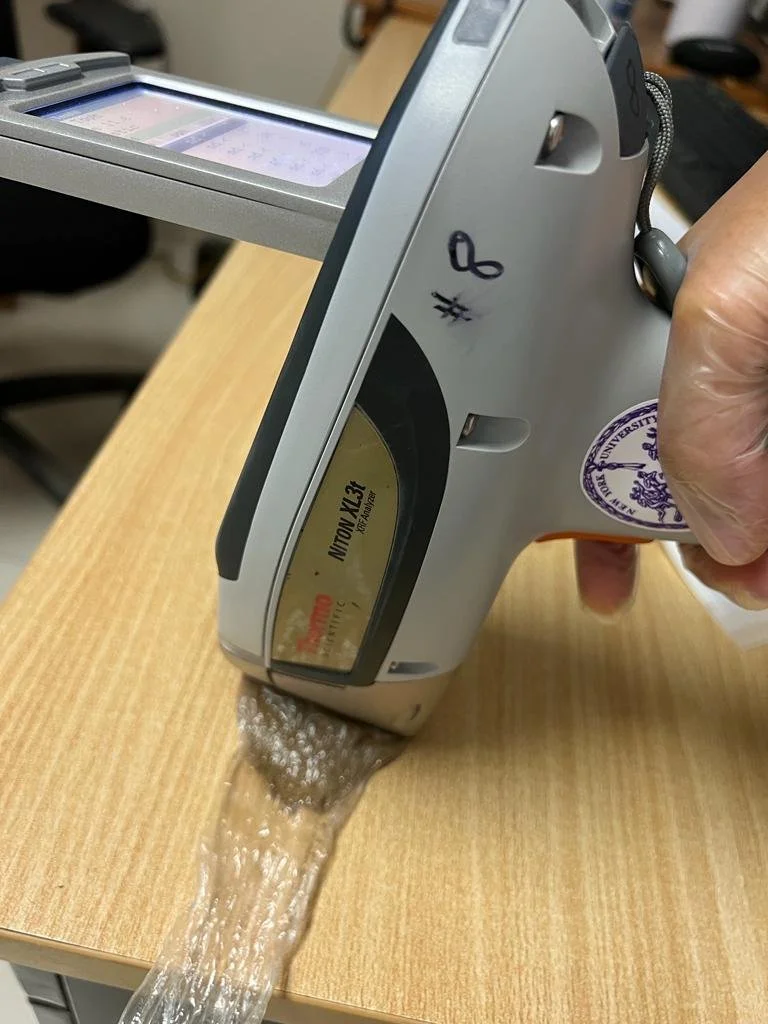

Dr. Yan’s work is funded by NHLBI, uses portable X‑ray fluorescence (XRF) technology, ultrasonic personal air samplers, and source collection to pinpoint the most likely sources of lead exposure from household and community sources. These measurements are complemented by interviews and household assessments to understand everyday practices, products, and environments that contribute to lead exposure.